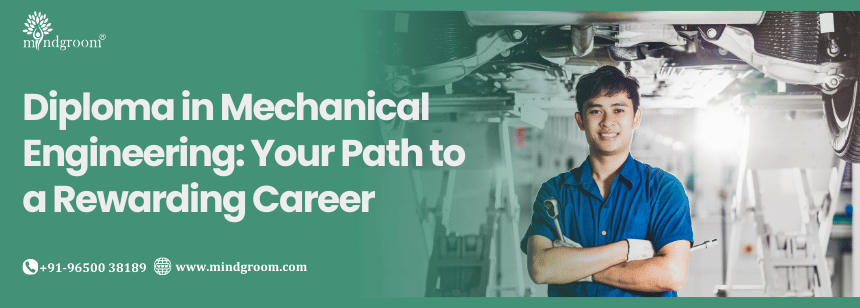
Diploma in Mechanical Engineering: Your Path to a Rewarding Career
The world is built on the ingenuity of engineers. From the towering skyscrapers that define our cities to the intricate systems powering our daily lives, engineering is the bedrock of progress. Within this vast discipline, Mechanical Engineering stands as a cornerstone, a field responsible for the design, analysis, manufacturing, and maintenance of mechanical systems. For those drawn to tangible creation, problem-solving, and a career with demonstrable impact, a Diploma in Mechanical Engineering offers a direct and highly effective pathway. This program is more than just a qualification; it's a gateway to a dynamic, in-demand profession that constantly evolves with technological advancement, promising a future filled with challenges, opportunities, and profound professional fulfillment.
The Ever-Evolving Landscape of "Engineering"
Engineering, in its broadest sense, is the application of scientific and mathematical principles to design, build, and maintain structures, machines, devices, systems, materials, and processes. It is the profession that translates abstract ideas into tangible realities, shaping the physical world around us. The impact of engineering is ubiquitous, touching every facet of modern society, from transportation and communication to healthcare and environmental sustainability. The field is characterized by continuous innovation, driven by a relentless pursuit of efficiency, safety, and improved performance. As global challenges emerge, from climate change to resource scarcity, the role of engineers becomes ever more critical in developing innovative solutions.
Your Gateway to a Dynamic "Career": The Diploma Advantage

Key differences between a Diploma and a Degree in Mechanical Engineering, highlighting the diploma's focus on practical skills and a faster route to employment.
Within the expansive domain of engineering, a diploma qualification offers a distinct and strategic advantage. Unlike longer degree programs, a diploma typically provides a more focused, hands-on education, equipping individuals with the practical skills and technical knowledge needed to enter the workforce rapidly. This approach is particularly beneficial in fields like Mechanical Engineering, where practical application and immediate contribution are highly valued by industry. A diploma is often a more accessible entry point, offering a faster route to employability and the potential to build a successful and rewarding career through continuous learning and on-the-job experience.
Understanding the "Diploma in Mechanical Engineering"
What Exactly is this Program?
A Diploma in Mechanical Engineering is a vocational or technical education program designed to provide students with a comprehensive understanding of the principles and practices of mechanical engineering. These programs are typically shorter in duration than bachelor's degrees, often spanning two to three years, and place a strong emphasis on practical, hands-on training. The curriculum is carefully crafted to cover the core subjects essential for working with mechanical systems, machines, and manufacturing processes. It aims to bridge the gap between theoretical knowledge and real-world application, preparing graduates to directly contribute to various industries.
Core Objectives: Cultivating "Industry-Ready" Professionals
The fundamental objective of a Diploma in Mechanical Engineering program is to cultivate graduates who are immediately "industry-ready." This means equipping them with a robust blend of theoretical understanding and practical skills that align with the current demands of the job market. Key objectives include:
- Developing Core Technical Competencies: Imparting a solid grasp of fundamental mechanical engineering principles, including mechanics, thermodynamics, fluid mechanics, and materials science.
- Mastering Practical Skills: Ensuring proficiency in operating machinery, utilizing CAD/CAM software, understanding manufacturing processes, and performing diagnostic tasks.
- Fostering Problem-Solving Abilities: Training students to analyze mechanical issues, devise effective solutions, and implement them efficiently.
- Instilling a Strong Work Ethic: Promoting discipline, precision, and a commitment to quality and safety in all aspects of their work.
- Preparing for Industry Environments: Familiarizing students with the dynamics of the workplace, teamwork, and the specific requirements of manufacturing and production settings.
The Compelling Advantages: Why a Diploma is Your Strategic Choice
Choosing a Diploma in Mechanical Engineering is a strategic decision that offers numerous benefits, positioning you for a fulfilling and prosperous career.
High Demand and Diverse Opportunities Across Industries
The skills acquired through a Diploma in Mechanical Engineering are in perennial demand. Mechanical engineers are the backbone of virtually every sector that involves physical products or processes. This high demand translates into abundant job opportunities across a wide spectrum of "Manufacturing Industries," from the fast-paced "automobile" sector to aerospace, energy, consumer goods, and heavy machinery. The inherent versatility of mechanical engineering principles means graduates are not confined to a single niche but can explore diverse roles in "production," "design," and maintenance.
Practical, Hands-On Learning from Day One
A hallmark of diploma programs is their strong emphasis on practical application. From the outset, students engage in hands-on learning experiences within "workshops" and laboratories. This immersive approach allows for the direct application of theoretical concepts, fostering a deeper understanding and developing essential technical skills. Unlike purely academic programs, a diploma ensures that graduates are not only knowledgeable but also adept at performing the tasks required in an industrial setting.
A Faster Route to Employability and Earning Potential
The shorter duration of diploma programs, typically two to three years, means graduates can enter the workforce sooner than their bachelor's degree counterparts. This accelerated path to employment allows for earlier career progression and earning potential. Starting a career sooner provides valuable on-the-job experience, which is often as critical as formal education in advancing within the field. This rapid entry into the professional realm makes a diploma an economically sound and practically advantageous choice.
Foundation for Lifelong "Professional Development"
While a diploma provides immediate entry into the "industry," it also serves as an excellent foundation for continuous "professional development." Graduates can build upon their foundational knowledge and practical skills through work experience, specialized certifications, and, if desired, further academic pursuits, such as degree programs. The core competencies gained are transferable and form a robust base for adapting to new technologies and evolving industry needs.
The Intrinsic Rewards: Beyond the Paycheck
A career in Mechanical Engineering offers profound intrinsic rewards. The satisfaction of seeing a "design" materialize into a functional product, the intellectual challenge of solving complex "mechanical systems" problems, and the contribution to tangible progress are deeply fulfilling. Mechanical engineers are problem-solvers and innovators, playing a crucial role in improving efficiency, developing sustainable "energy" solutions, and enhancing the quality of life through technological advancements. The opportunity to be part of creating and improving the physical world provides a unique sense of purpose and accomplishment.
Building Expertise: A Glimpse into the Diploma Curriculum
The "Diploma in Mechanical Engineering" curriculum is meticulously designed to provide a well-rounded education, blending foundational principles with specialized knowledge and practical skills.
Foundational "Mechanical Systems" and "Engineering Principles"
At its core, the program delves into the fundamental concepts that govern the behavior of physical systems. Students gain a thorough understanding of core "engineering principles," including statics and dynamics, material science, and applied mathematics. This foundational knowledge is crucial for comprehending how forces, motion, and materials interact within various "mechanical systems." Subjects like "thermodynamics" are introduced, exploring the principles of heat transfer and energy conversion, which are vital for understanding engines, power plants, and HVAC systems. Likewise, "Fluid Mechanics" is covered, detailing the behavior of liquids and gases, essential for designing pumps, turbines, and aerodynamic structures.
Specialized Mechanical Engineering Subjects
Building upon the foundational knowledge, the curriculum progresses to more specialized areas of "Mechanical Engineering." This includes "Thermal Engineering," which expands on thermodynamics to focus on the design and analysis of thermal devices and systems. Students will explore "manufacturing processes" in detail, learning about various techniques used to shape and assemble components, from casting and forging to machining and modern additive manufacturing. Emphasis is placed on "design," teaching students how to conceptualize, sketch, and develop engineering drawings for components and assemblies, often utilizing Computer-Aided Design (CAD) software.
Mastering Modern Tools and Digital Technologies
In today's technologically advanced landscape, proficiency with modern tools is paramount. The "Diploma in Mechanical Engineering" program integrates training in essential digital technologies. This often includes Computer-Aided Design (CAD) for creating 2D and 3D models, and Computer-Aided Manufacturing (CAM) for programming machines to produce those designs. Students may also be introduced to simulation software, allowing them to test designs virtually before physical prototyping. Familiarity with these tools ensures graduates are equipped to work with contemporary industrial equipment and software.
Cultivating Essential Soft Skills for Career Success
Technical proficiency is only one part of the equation for career success. Diploma programs also focus on cultivating crucial soft skills. This includes developing strong problem-solving abilities, the capacity for critical thinking, and effective communication skills, both written and verbal. Teamwork is also a significant focus, as most engineering projects are collaborative efforts. These interpersonal and cognitive skills are essential for effective project management, client interaction, and seamless integration into any professional "Department" or team.
From Classroom to Career: Real-World Experience and Applied Learning
A distinguishing feature of a Diploma in Mechanical Engineering is its commitment to bridging the gap between theoretical learning and practical application through hands-on experience.
Immersive Practical Training in "Workshops" and "Labs"
The "workshops" and laboratories are the dynamic heart of a diploma program. Here, students move beyond textbooks to engage directly with tools, machinery, and equipment. They learn to operate lathes, milling machines, and other fabrication tools, gaining practical skills in machining and assembly. These facilities provide a safe environment to experiment, troubleshoot, and apply engineering principles. Understanding the practical nuances of "manufacturing processes" and the assembly of "mechanical systems" is best achieved through direct interaction with the hardware.
Essential "Industry Visits" and "Live Projects"
To provide a comprehensive understanding of the professional world, "industry visits" are a crucial component. These excursions allow students to observe real-world "manufacturing industries" in operation, witness complex "production" lines, and interact with experienced professionals. Furthermore, many programs incorporate "live projects," where students work on authentic engineering challenges, often in collaboration with external companies. These projects provide invaluable experience in project management, client communication, and the application of learned skills to solve actual industry problems.
Fostering "Innovation" Through Challenges and Competitions
Diploma programs actively encourage "innovation" by challenging students to think creatively and apply their knowledge in novel ways. Participation in technical competitions, design challenges, and "research" projects helps students develop inventive solutions and refine their engineering intuition. These activities not only hone technical skills but also foster resilience, adaptability, and a proactive approach to problem-solving, essential traits for future engineers.
Your Future Awaits: Diverse "Career" Paths and "Job Opportunities"
Graduating with a Diploma in Mechanical Engineering opens doors to a wide array of exciting and stable career opportunities across numerous sectors.
Key "Job Roles" for Diploma Holders
Diploma holders are highly sought after for roles that require a strong foundation in mechanical principles and practical skills. Common "job roles" include:
- Mechanical Engineering Technician: Assisting engineers in designing, developing, testing, and manufacturing mechanical devices.
- Draftsperson/CAD Technician: Creating detailed technical drawings and models using CAD software.
- Production Supervisor/Foreman: Overseeing manufacturing operations, ensuring efficiency, quality, and adherence to production schedules.
- Quality Control Inspector: Ensuring that manufactured products meet specified standards and tolerances.
- Maintenance Technician: Performing routine maintenance, diagnostics, and repairs on industrial machinery and "mechanical systems."
- HVAC Technician: Specializing in the installation, maintenance, and repair of heating, ventilation, and air conditioning systems.
- Welder/Fitter: Skilled tradespeople essential in assembly and fabrication within various industries.
Thriving Industries for Mechanical Diploma Holders
The versatility of mechanical engineering means diploma graduates are valuable assets in nearly every sector. Key industries include:
- Automotive Industry: Designing, manufacturing, and maintaining vehicles, from engine components to assembly lines.
- Aerospace Industry: Contributing to the manufacturing and maintenance of aircraft and spacecraft.
- Manufacturing Sector: Across diverse product lines, including consumer goods, electronics, and heavy machinery.
- Energy Sector: Involved in the "production," maintenance, and installation of power generation equipment, including renewable "energy" systems.
- HVAC and Refrigeration: Designing, installing, and servicing climate control systems.
- Construction and Infrastructure: Working on the mechanical aspects of large-scale projects.
- Defense Sector: Contributing to the development and maintenance of military equipment.
"Top Employers" and Global Career Prospects
Graduates can find employment with a wide range of organizations, from multinational corporations to specialized small and medium-sized enterprises (SMEs). Many leading global companies actively recruit mechanical engineering diploma holders for their practical skills and foundational knowledge. The demand is not limited geographically; the principles of mechanical engineering are universal, offering potential for international career prospects as individuals gain experience and potentially pursue further qualifications. Companies involved in large-scale "production," advanced "manufacturing," and complex "mechanical systems" are prime employers.
The Mechanical Engineer of Tomorrow: Embracing "Emerging Technologies"
The field of mechanical engineering is in constant flux, driven by rapid technological advancements. A Diploma in Mechanical Engineering equips individuals not only with current skills but also provides a foundation to adapt and thrive amidst future innovations.
The Impact of "Robotics" and "Automation"
"Robotics" and "automation" are revolutionizing manufacturing and many other industries. Mechanical engineers play a vital role in designing, building, integrating, and maintaining robotic systems and automated production lines. A diploma provides the foundational understanding of mechanics, control systems, and mechatronics necessary to work with these advanced technologies, enhancing efficiency and precision in "production" environments.
The Revolution of "3D Printing" (Additive Manufacturing)
"3D Printing," or additive manufacturing, is transforming product "design" and prototyping. Mechanical engineers are at the forefront of developing new 3D printing technologies, designing complex geometries that were previously impossible, and optimizing the "manufacturing processes" for additive methods. A diploma provides the insights into materials and design principles needed to leverage this groundbreaking technology.
Integration of IoT and AI in "Mechanical Systems"
The Internet of Things (IoT) and Artificial Intelligence (AI) are increasingly being integrated into "mechanical systems." This allows for smart devices that can monitor their own performance, predict maintenance needs, and optimize operations. Mechanical engineers with a diploma are well-positioned to contribute to the development and implementation of these intelligent systems, bridging the gap between the physical and digital worlds. This also opens avenues in "research" and the development of more efficient "energy" solutions.
Conclusion
The "Diploma in Mechanical Engineering" stands as a powerful and practical pathway to a profoundly rewarding "career." It offers a unique blend of rigorous technical education, essential hands-on training, and direct access to a vibrant job market teeming with opportunities. From mastering foundational principles in "thermodynamics" and "Fluid Mechanics" to understanding complex "manufacturing processes" and the nuances of product "design," this program prepares individuals to be competent, adaptable, and innovative professionals. The emphasis on practical application within "workshops" and through "live projects" ensures graduates are not just knowledgeable but truly "industry-ready," capable of making immediate contributions to sectors like the "automobile" and broader "manufacturing industries."
As technology continues to evolve, with the rise of "robotics," "automation," "3D printing," and the integration of AI and IoT into "mechanical systems," the demand for skilled mechanical engineers will only grow. A diploma provides the foundational expertise to engage with these emerging technologies, fostering "innovation" and contributing to critical areas such as "energy" solutions and sustainable development. The journey through a "Diploma in Mechanical Engineering" is more than just academic; it is a transformative experience that equips individuals with the skills, confidence, and problem-solving acumen to build a successful and impactful career. If you are looking to translate your passion for creation and problem-solving into a tangible, respected profession, then the "Diploma in Mechanical Engineering" is your definitive gateway to unlocking a future filled with challenge, growth, and immense professional satisfaction. Take the first step towards this exciting journey today.
Frequently Asked Question’s (FAQ’s)
A Diploma in Mechanical Engineering is a technical program that teaches students the fundamentals of machines, manufacturing processes, thermodynamics, and mechanical systems used in various industries.
The mechanical engineering diploma course usually takes 3 years to complete after the 10th grade. Some institutes also offer lateral entry for students after 12th or ITI.
Common subjects in a mechanical diploma course include Engineering Drawing, Thermodynamics, Strength of Materials, Machine Design, Manufacturing Technology, and Fluid Mechanics.
Students can apply for a mechanical engineering diploma after completing 10th grade with Mathematics and Science from a recognized board.
After completing a diploma in mechanical engineering, students can work as mechanical technicians, machine operators, maintenance engineers, or production supervisors in manufacturing and engineering industries. They can also pursue B.Tech through lateral entry for higher education.
Looking For Job Satisfaction on the long run?
Please feel free to contact our experts
Call to ask any question
+91-9319336222Monday to Saturday
(9:00 AM to 8:00 PM)Resent Blogs

10 Things to Do During an Interview to Impress Your Future Employer
Learn More
Crafting Your Personal Narrative: A Guide to Writing About Yourself
Learn More
Top 10 Essential Interview Questions and Expert Answers for 2025
Learn More
Ace Your Next Interview: Essential Questions and Expert Answers for 2025
Learn More
First-Time Manager Interview: Crucial Questions and Strategies for Success
Learn More
150 Essential General Knowledge Questions for Interviews in 2025
Learn More
Master the Google Interview: Strategies for Success in 2025
Learn More
How Can You Describe Yourself Professionally? 5 Key Strategies You Need to Know
Learn More
Mastering the Art of How to Take Interview: Essential Techniques for Success
Learn More
25 Essential HR Interview Questions and Answers PDF You Can't Ignore
Learn More
7 Tips to Ace Your HR Screening Round and Land Your Dream Job
Learn More
10 Essential Tips for Acing Your Interview Exam
Learn More
5 Unique Interview Format Examples to Stand Out in Your Next Interview
Learn More
5 Powerful Techniques for a Memorable Interview Introduction
Learn More
Master Your Next Interview with These Top Interview Preparation Apps
Learn More
Mastering the Art: Top Interview Questions for 12th Class Students
Learn More
7 Must-Know Interview Questions for Freshers to Ace Your Job Hunt
Learn More
Mastering Interview Questions for HR Position with Answers: Strategies for Success
Learn More
12 Essential Interview Questions for Recruiter Position You Should Prepare For
Learn More
10 Must-Know Interview Questions UK Employers Love to Ask
Learn More
10 Creative Interview Writing Examples to Spark Your Imagination
Learn More
15 Essential Managerial Interview Questions for Freshers to Prepare
Learn More
15 Unique Marketing Interview Questions You Haven't Prepared For
Learn More
7 Key Strategies for a Successful Mock Interview Session
Learn More
The Ultimate Guide to Model Interview Questions: What You Need to Know
Learn More
5 My Self Question Exercises to Unlock Your True Potential
Learn More
10 Normal Questions That Can Spark Deep Conversations
Learn More
15 Essential Personal Interview Questions for Freshers to Ace Your Next Job
Learn More
10 Essential Phone Interview Questions You Can’t Afford to Ignore
Learn More
15 Essential Sales Interview Questions and Answers for Freshers
Learn More
7 Key Situational Interview Questions Every Employer Should Ask
Learn More
15 Essential Software Developer HR Interview Questions You Need to Prepare For
Learn More
Mastering the Technical Interview: Essential Questions and Answers
Learn More
Top Strategies for Responding to Tell Me About Yourself in a Student Interview
Learn More
Top 10 Interview Questions and Expert Answers
Learn More
Mastering the Art of Interviewing: 50 Tough Questions and Smart Answers
Learn More
How to Ace Your Next Mock Interview: Tips and Strategies for Success
Learn More
Your Ultimate Guide: 60 Insightful Questions to Ask Interviewers
Learn More
Crafting the Perfect Response to Why Do You Want This Job?
Learn More
Unique Ways to Tackle the Question Why Should We Hire You?
Learn More
Why Should We Hire You? - Top 10 Answers for Customer Service Roles
Learn More
Mastering the Art of Discussing Work Experience in Interviews
Learn More
Mastering Your Sales Interview: 50 Essential Questions and Answers
Learn More
Career Paths After 12th Commerce: Your Future Starts Here
Learn More
Explore One-Year Courses After 12th for Non-Medical Students
Learn More
Quick Career Paths: 2-Year Degree Courses After 12th for Fast-Track Success
Learn More
Comprehensive Guide: Courses After 12th Commerce
Learn More
Top 10 Lucrative Courses to Consider After Completing Engineering
Learn More
Advancing Your Career: Top Choices After B.Tech in 2025
Learn More
Explore Your Future: After CET Exam Which Course is Best for Aspiring Professionals?
Learn More
5 Reasons Why After Inter CEC, Choosing the Right Course is Crucial
Learn More
After PUC Which Course is Best for Aspiring Engineers? Explore Your Options!
Learn More
Unlocking Your Future: Best Arts and Science Courses After 12th for 2025
Learn More
Why a Bachelor Degree in Commerce is Your Pathway to Success
Learn More
15 Best Career Courses to Boost Your Earning Potential in 2025
Learn More
Emerging Career Fields for 2025: What You Need to Know
Learn More
Exploring In-Demand Career Paths After 12th: Science, Arts, Commerce
Learn More
15 Lucrative Science Careers You Should Consider
Learn More
High-Paying Career Paths for Girls After 12th Commerce
Learn More
Top 10 High Salary Career Courses After 12th Biology
Learn More
Top 10 High-Paying BSc Specializations for 2025
Learn More
Exploring the Future: Innovative Career Paths for B.Tech Graduates in 2025
Learn More
Comprehensive Guide to B.Tech Specializations for MPC Graduates
Learn More
Unlocking Your Potential: The Ultimate B Tech Job List for 2025
Learn More
B.Tech Salary Insights: How Much Can You Earn Per Month?
Learn More
Essential Business Courses After 12th: Your Guide to a Successful Career
Learn More
How Commerce Students Can Transition to BSc IT
Learn More
Exploring Career Paths After 12th: Your Guide to Success in 2025
Learn More
Certainly! Here are 10 additional title ideas inspired by the list you provided
Learn More
Exploring Career Paths After Engineering: Your Guide to the Future
Learn More
The Ultimate Guide to Career Options Post-High School Graduation
Learn More
Discover the Top 10 Chemistry Courses After 12th That Lead to High-Paying Jobs
Learn More
Explore the Best Diploma and Certificate Programs After 12th Commerce
Learn More
Career Paths for Computer Science Graduates: Top Opportunities to Explore
Learn More
Explore Top Courses After 12th: Your Path in Science, Arts, or Commerce
Learn More
Top 10 Courses After 12th Commerce for a Successful Career
Learn More
Top Paying Professional Courses After 12th for Commerce Students
Learn More
Emerging Career Paths After 12th Commerce Without Maths
Learn More
Exploring Career Paths After 12th Science: A Complete Guide
Learn More
Comprehensive Guide to Courses and Career Paths after 12th Grade
Learn More
Emerging Career Paths in India: What to Expect in 2025
Learn More
Top Diploma Paths for Students After Completing 12th Science
Learn More
Top 15 Easiest High-Paying Jobs to Pursue in India by 2025
Learn More
Navigating Your Future: Easy Degree Options After 12th
Learn More
Exploring Top Engineering Branches After 12th: A Comprehensive Guide
Learn More
Exploring Advanced Studies: Top Entrance Exams for Engineering Graduates
Learn More
MBA Salary Insights: Top Packages and Compensation Trends in India
Learn More
Top 15 Lucrative Careers in India for 2025
Learn More
Top 10 High-Paying Jobs for Commerce Graduates Without Maths
Learn More
Top 10 High Salary Courses After 12th PCB for Future Success
Learn More
High-Earning Courses to Pursue After 12th Science in 2025
Learn More
High Paying Career Paths for BiPC Students: Top 10 Courses to Consider
Learn More
Exploring High-Paying Engineering Degrees for the Future
Learn More
Exploring Integrated Courses After 12th: A Comprehensive Guide for Students
Learn More
Exploring Career Prospects: What Can You Do with a BBA Degree?
Learn More
Top 15 In-Demand Professional Courses for Commerce Graduates in 2025
Learn More
Exploring Lucrative Job Paths for BBA Graduates in 2025
Learn More
MBA Full Form Explained: Master of Business Administration & Its Strategic Career Value
Learn More
BBA Full Form: The Definitive Guide to BBA Degrees, Admissions, & Career Paths
Learn More
BCA Full Form Explained: Your Complete Guide to the Degree, Admission & Career Scope
Learn More
IAS Full Form: Indian Administrative Service Explained & Its Pivotal Role
Learn More
MBBS Full Form: Unraveling the Meaning Behind a Doctors Qualification
Learn More
UPSC Full Form: Union Public Service Commission and Its Vital Role
Learn More
BSc Full Form: Bachelor of Science & What It Means for Your Future
Learn More
ITI Full Form: What Exactly is Industrial Training Institute?
Learn More
LLB Full Form: Your Ultimate Guide to Bachelor of Laws, Eligibility & Career Scope
Learn More
Is There a True Computer Full Form? Unpacking the Popular Acronym
Learn More
B.Tech Full Form Unpacked: Meaning, Scope, and Why It Matters for Your Career
Learn More
IIT Full Form: Unveiling the Indian Institute of Technology and Its Legacy
Learn More
MCA Full Form Revealed: Master of Computer Applications & Its Significance
Learn More
IIT Full Form: Indian Institute of Technology – Understanding Its Legacy, Campuses, and Global Standing
Learn More
Your Complete Guide to Becoming a Veterinarian: Education, Specialties & Career Paths
Learn More
BSc Degree: Your Complete Guide to Courses, Careers, and Future Prospects
Learn More
B.Com Full Form Unveiled: What Bachelor of Commerce Truly Means
Learn More
BAMS Full Form: Bachelor of Ayurvedic Medicine and Surgery — Unpacking Its Meaning & Career Scope
Learn More
What is a Polytechnic? Your Complete Guide to Courses, Admissions & Career Paths
Learn More
SSC GD Constable Exam News 2025-26: Latest Updates on Vacancies, Dates & Application
Learn More
How to Choose the Best Veterinarian for Your Pet: A Comprehensive Guide
Learn More
Air Hostess 2026: Your Complete Roadmap to Landing the Dream Job
Learn More_Thumbnail_.png )
Unlocking Your Future: The Ultimate BSc Degree Guide (Courses, Careers & Admissions)
Learn More_Thumbnail_.png )
CMA Full Form: Certified Management Accountant (Global Standard Explained)
Learn More
NACH Full Form Explained: What It Is & Why It Matters in Banking
Learn More
The Modern Anthropologist: Understanding Their Role, Impact, and Diverse Specializations
Learn More
BBA: Your Ultimate Guide to Course Details, Admission, Fees, and Future Career Prospects
Learn More
BDS Full Form Unpacked: Your Essential Guide to Dentistry Courses, Admissions & Career Scope
Learn More
BHMS Full Form Revealed: Your Complete Guide to Bachelor of Homeopathic Medicine & Surgery
Learn More
B.Tech Admissions 2026: Your Complete Guide to Courses & Eligibility
Learn More
CFA Full Form: Understanding the Chartered Financial Analyst Designation
Learn More
Merchant Navy Salary in India: Unveiling Pay Scales by Rank & Experience
Learn More
TS EAMCET 2026: Official Notification, Exam Dates & Application Guide
Learn More
VITEEE 2026: Full Guide to Application, Dates, Syllabus & Preparation
Learn More
BMS Full Form: Unveiling Bachelor of Management Studies & What it Entails
Learn More
B.Sc. Computer Science: Your Complete Guide to Courses, Careers & Eligibility
Learn More
Computer Science Explained: From Basics to Advanced Concepts
Learn More
Worlds Most Difficult Exams: A Definitive Ranking for 2025
Learn More_All_You_Need_to_Know_Thumbnail_.png )
Union Public Service Commission (UPSC): All You Need to Know
Learn More
BE Full Form Explained: What Bachelor of Engineering Means & Your Career Path
Learn More
DMIT Full Form Revealed: Unpacking the Dermatoglyphic Multiple Intelligence Test
Learn More
Indias Most Difficult Exams: The Ultimate Ranking for 2025
Learn More
CLAT Full Form: Unveiling the Common Law Admission Test + Key Details
Learn More
Highest Paying Jobs in India: Unveiling the Top 25 Roles & Their Lucrative Salaries
Learn More
MA Full Form: Unpacking the Master of Arts Degree & What It Entails
Learn More
Marketing Management Explained: Core Concepts & Strategic Implementation
Learn More
BCA Course Subjects: A Comprehensive Guide to Your IT Degree Curriculum
Learn More
CAT Exam Date 2026: When to Apply & Exam Schedule Revealed
Learn More
CDS Full Form: Unveiling Combined Defence Services & Your Path to Commission
Learn More
Lab Technician Career Path: Duties, Skills, and Salary Guide
Learn More
Your Complete Guide to Becoming a Successful Software Developer
Learn More
Air Hostess Course Guide: Everything You Need to Know for Your Aviation Career
Learn More
Introduction: Navigating Your Path to Medical Excellence in India
Learn More
Top Commerce Courses After 12th: Unlock Lucrative Career Paths
Learn More
Top Industrial Training Institutes: Your Guide to Skilled Trades
Learn More
Understanding Psychometric Tests: Your Definitive Guide & Free Examples
Learn More
What Does a Surgeon Do? A Comprehensive Guide to the Profession
Learn More
UG Explained: Your Ultimate Guide to Undergraduate Degrees & Admissions
Learn More
10th Pass Govt Jobs 2026: Your Complete Guide to Apply & Secure Your Career
Learn More
ATMA: Your Complete Guide to the Management Admissions Test
Learn More
BHMS Course Guide: Eligibility, Syllabus, Career Prospects & Top Colleges
Learn More
Unlock Your Future: The Definitive Guide to Career Counselling
Learn More
What Does a Clinical Psychologist Do? Your Comprehensive Guide
Learn More_Thumbnail_.png )
M.Tech Full Form: Master of Technology Explained (Meaning, Scope & Benefits)
Learn More
Radiology Courses Explained: From Certificates to Masters Degrees
Learn More
BSc Courses Explained: Full Guide to Specializations, Admissions & Career Paths
Learn More
BSc Nursing Course: Admission Guide, Eligibility, Syllabus & Career Paths
Learn More
BA LLB Full Form Explained: Unpacking Bachelor of Arts & Bachelor of Laws
Learn More
Top BBA Colleges in India: Unveiling the Elite Institutions for Your Management Degree
Learn More
UPSC CDS Exam Date 2026: Complete Schedule & Notification Details
Learn More
Top Career-Focused Courses After 12th Grade: Unlock Your Future
Learn More
Explore the World of Humanities Subjects: A Comprehensive Guide
Learn More
IPU CET 2026: Complete Guide to Applications, Syllabus & Cutoffs
Learn More
ISI Full Form: Unveiling the Meaning & Importance of the Indian Standards Institute
Learn More
JEE Advanced 2026 Exam Date: When Will the Exam Be Held?
Learn More
JEE Main 2026 Result Date: When to Expect Session 1 & 2 Results
Learn More
MCA Course Guide: Everything You Need to Know About Eligibility, Fees, and Admissions
Learn More
Multimedia Explained: Your Complete Guide to Definition, Examples, and Impact
Learn More
The Ultimate Paramedical Courses List: Find Your Perfect Career Path
Learn More
Pharm.D. Program: Your Complete Guide to Curriculum, Admissions & Outcomes
Learn More
The Ultimate Guide to Top IIT Colleges in India: Ranking, Admissions, and Courses
Learn More
ATC Full Form: Unpacking Air Traffic Control, Anatomy & More
Learn More
B.Ed. Course Duration in India: Everything Aspiring Teachers Need to Know
Learn More
B.Sc Psychology Degree: Your Guide to Admissions, Curriculum & Career Paths
Learn More
B.Tech Computer Science: Your Complete Guide to Admission, Syllabus & Career Prospects
Learn More
BDS Course Duration: How Long is Bachelor of Dental Surgery?
Learn More
BFA Full Form Explained: What is a Bachelor of Fine Arts & Why it Matters
Learn More
Biology Explained: What It Is, Its Core Concepts & Why It Matters
Learn More
BPT Course: Your Complete Guide to Bachelor of Physiotherapy Admissions
Learn More
BSc Nursing Full Form: What it Means and Why it Matters
Learn More
The Science Complete Guide: Best Courses & Career Paths Revealed
Learn More
Master Your Future: Your Complete Guide to 2026 Government Exams & How to Prepare
Learn More
MPhil Explained: Your Complete Guide to the Master of Philosophy
Learn More
Become a Certified Stenographer: Your Complete Course Guide
Learn More
TANCET 2026: Complete Exam Guide - Dates, Syllabus, and Preparation Tips
Learn More
Upcoming Government Exams 2026: Full Schedule, Eligibility & Application Dates
Learn More
What is CA? The Complete Guide to Chartered Accountancy and Your Career Path
Learn More
Agnipath Scheme Explained: Eligibility, Benefits, Salary & Career Path
Learn More
AFCAT 2026: Your Complete Guide to the Air Force Common Admission Test
Learn More
B Pharm Course Duration: How Long Does it Really Take to Get Your Pharmacy Degree?
Learn More
Top Commerce Colleges in India: Your Ultimate Ranking & Admission Guide
Learn More
Top Arts Courses After 12th: Unlock Your Creative & Professional Future
Learn More
Diploma in Mechanical Engineering: Your Path to a Rewarding Career
Learn More_Thumbnail_.png )
Unlock Your Future: Top High-Paying Courses After 12th Science (PCM & PCB)
Learn More_Officer_Salary_In-depth_Breakdown_Perks_Thumbnail_.png )
Indian Foreign Service (IFS) Officer Salary: In-depth Breakdown & Perks
Learn More
M.Ed. Full Form: What Master of Education Means & Why It Matters
Learn More
Understanding India's Paramilitary Forces: Roles, Responsibilities, and Key Units
Learn More
RBI Assistant 2026: Full Details on Notification, Vacancies & Application Process
Learn More
Relationship Manager Salary, Duties, and Career Path Explained
Learn More
Unlocking Your Science Journey: A Complete Guide to Science Subjects
Learn More
Unlock Your Career: The Ultimate Guide to Vocational Courses and Training Programs
Learn More
Top Courses After 10th Grade: Your Guide to Future Careers & Salaries
Learn More
MP Police ASI Recruitment: Latest Notification, Eligibility & Application Guide
Learn More
B.Arch Admissions: Your Complete Guide to Eligibility, Exams & Top Colleges
Learn More
B.Com Honours Degree: Your Complete Guide to Admission & Career Prospects
Learn More
BA Psychology Degree: Your Guide to Programs, Careers & Admissions
Learn More
BBS Full Form Explained: Bachelor of Business Studies - Your Career Guide
Learn More
Biotech Engineering: Your Guide to Innovation in Life Sciences
Learn More
BPA Full Form: Unpacking Bisphenol A and Its Impact
Learn More
BSW Full Form: What Bachelor of Social Work Means and Why It Matters
Learn More
BVSc Full Form Explained: What Does Bachelor of Veterinary Science Mean?
Learn More
Become a Customs Officer: Your Complete Career Guide
Learn More
DCH Full Form in Medical: Understanding the Diploma in Child Health
Learn More
Top Diploma Courses After 10th: Your 2026 Career Guide
Learn More
Unlock Your Tech Career: The Ultimate Guide to a Diploma in Computer Science
Learn More
Your Step-by-Step Guide: How to Become a Software Engineer
Learn More
Indian Forest Service Salary: Unveiling the Full Pay Scale & Perks for IFS Officers
Learn More
JEECUP Admit Card 2026: Download Hall Ticket & Exam Day Guide
Learn More
Your Guide to Junior Colleges: Admissions, Programs & Best Choices
Learn More
Lateral Entry Admissions: Your Complete Guide to Second Year College Admissions
Learn More
Introduction: Elevating Your Pharmacy Career with a Master's Degree
Learn More
Introduction: Why the Master of Science is the Engine of the Modern Economy
Learn More
Introduction: The Journey to Becoming a Physician
Learn More
The Evolution of Network Engineering: Defining the 2026 Landscape
Learn More
Connet Us
Unlock Your Dream Career Potential - Get Expert Advice From Our Counselling Experts


