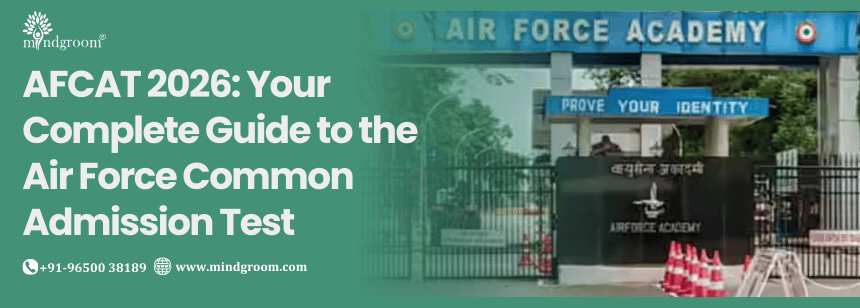
AFCAT 2026: Your Complete Guide to the Air Force Common Admission Test
The Indian Air Force (IAF) stands as a beacon of courage, technological prowess, and unwavering dedication to national service. For aspiring individuals who dream of soaring through the skies, contributing to national security, and embodying the highest ideals of leadership, the journey begins with a pivotal examination: the Air Force Common Admission Test (AFCAT). AFCAT is not merely an entry ticket; it's the first step towards a distinguished career as an officer in one of the world's most respected air forces. As the landscape of defence recruitment evolves, understanding the intricacies of AFCAT 2026 is paramount. This comprehensive guide is meticulously crafted to equip prospective candidates with the knowledge, strategy, and insights needed to navigate the selection process successfully and embark on a fulfilling career path. We will delve into every facet, from eligibility criteria and branch options to exam patterns, preparation techniques, and the crucial AFSB interview, providing a holistic roadmap to your ambition.
Welcome to Your AFCAT 2026 Journey
Embarking on the path to becoming an officer in the Indian Air Force is a decision that signifies a commitment to excellence, discipline, and service. The AFCAT 2026 examination represents your initial gateway into this prestigious organization. This journey requires not just academic acumen but also a robust understanding of the IAF's ethos, the specific roles within its various branches, and a strategic approach to the rigorous selection process. Our aim with this guide is to illuminate every aspect of this journey, ensuring you are well-prepared and confident as you take your first steps towards realizing your dream.
Why Aim for the Indian Air Force? An Opportunity and a Dream
The allure of the Indian Air Force extends far beyond the thrill of flight. It offers a career marked by continuous learning, technological advancement, and the profound satisfaction of serving the nation. As of 2024, the Indian Air Force maintained a significant operational strength of over 140,000 active personnel, encompassing officers, airmen, and technical staff [best nda coaching in india, 2025]. This vast organization requires skilled and dedicated officers across a multitude of disciplines. Joining the IAF means becoming part of an elite fraternity, gaining access to world-class training, and experiencing a life of purpose, adventure, and respect. It is an opportunity to push your limits, develop leadership qualities, and contribute to India's strategic defence capabilities.
What This Complete Guide Will Cover for AFCAT Aspirants

A high-level overview of the complete AFCAT selection process, from initial application to the final merit list.
This comprehensive guide is designed to be your definitive resource for AFCAT 2026. We will meticulously break down the entire selection process, starting with a foundational understanding of the Air Force Common Admission Test itself. You will find detailed information on eligibility criteria, meticulously segmented by age and educational qualifications for various branches. We will explore the diverse branches of the IAF, offering insights into the career paths and life within each. Crucially, we will provide an in-depth analysis of the AFCAT exam pattern and syllabus, alongside strategic preparation techniques for the written examination. Furthermore, this guide will shed light on the demanding Air Force Selection Board (AFSB) interview process, the essential medical standards, and a step-by-step breakdown of the application procedure.
Understanding AFCAT 2026: The Gateway to the IAF
The Air Force Common Admission Test (AFCAT) is the primary examination conducted by the Indian Air Force for the selection of officers into its Flying, Technical, and Ground Duty branches. It serves as a crucial filtering mechanism, identifying candidates who possess the intellectual capacity, aptitude, and potential to serve as commissioned officers.
What is the Air Force Common Admission Test (AFCAT)?
The AFCAT is a written examination designed to assess a candidate's proficiency in English, General Awareness, Numerical Ability, and Reasoning. It is structured to evaluate candidates holistically, ensuring they possess the fundamental knowledge and cognitive abilities required for officer-level responsibilities. Successful candidates from the written test proceed to the subsequent stages of the selection process.
Who Conducts AFCAT and Its Purpose for Recruitment
The AFCAT examination is conducted by the Indian Air Force itself. Its primary purpose is to recruit eligible candidates for various commissioned officer roles. This standardized selection process ensures fairness and objectivity in identifying individuals who are not only academically sound but also possess the mental fortitude and aptitude necessary for a career in aviation and defence. The IAF conducts the AFCAT twice annually, typically in February and August, ensuring a continuous influx of talent to maintain its operational readiness and strategic objectives.
Overview of the AFCAT Selection Process
The selection process for AFCAT is multi-phased, designed to comprehensively evaluate a candidate's suitability for an officer's commission. It begins with the AFCAT written examination. Candidates who clear this stage are then called for the Air Force Selection Board (AFSB) interview, which typically spans five days and includes a battery of psychological tests, group tasks, and a personal interview. Finally, candidates who successfully navigate the AFSB interview undergo stringent medical examinations to ensure they meet the physical and medical standards required for service.
Why AFCAT 2026 Demands a Strategic Approach
The competitive nature of the AFCAT examination cannot be overstated. Historically, only about 5-10% of AFCAT candidates successfully clear the exam [Shop SSBCrack, 2025]. In fact, approximately 1.5 to 2 lakh candidates appear for each AFCAT session, but only around 200 men and 140 women are eventually selected by the IAF [Careers360, 2024]. This intense competition necessitates a strategic approach rather than mere rote learning. Understanding the exam pattern, syllabus, and the specific requirements of each branch, coupled with disciplined preparation and a clear understanding of the AFSB's expectations, is crucial for success. A well-thought-out strategy will differentiate you from the masses and significantly enhance your chances of selection.
AFCAT 2026 Eligibility Criteria: Is the IAF Dream For You?
Meeting the eligibility criteria is the foundational step for any candidate aspiring to join the Indian Air Force through AFCAT. These criteria are designed to ensure that candidates are physically, mentally, and educationally suitable for the demanding service life.
Nationality and Marital Status Requirements
To be eligible for AFCAT 2026, candidates must be citizens of India. The recruitment process is open to both male and female candidates. Unmarried candidates are generally preferred for entry-level commissions, though specific rules may apply. Applicants are advised to refer to the official notification for precise details regarding marital status requirements at the time of application and joining.
Age Limits: Branch-wise Breakdown for AFCAT 2026
The age criteria are stringent and vary depending on the branch for which a candidate is applying. For the Flying Branch, the age limit typically ranges from 20 to 24 years. For the Technical Branch and Ground Duty Branch, the age range is usually from 20 to 26 years. It is imperative for candidates to check the exact age limits specified in the official AFCAT 2026 notification, as minor variations can occur. Upper age limits may have relaxations for ex-servicemen as per government regulations.
Educational Qualifications: A Deep Dive for Each Branch
Educational qualifications form a critical component of AFCAT eligibility. The required degree or academic standing varies significantly across the different branches:
- Flying Branch: Candidates must have completed their graduation with a minimum of 50% aggregate marks in subjects like Physics and Mathematics at the 10+2 level, or have a Bachelor's degree in Engineering (B.E./B.Tech) with at least 50% aggregate marks.
- Technical Branch: A four-year degree in Engineering (B.E./B.Tech) or a Bachelor's degree in Technology (B.Sc. Engineering) with a minimum of 50% aggregate marks in specified engineering disciplines is required.
- Ground Duty Branch: Candidates need to have completed their graduation with a minimum of 50% aggregate marks. Specific degree requirements may vary for sub-branches like Administration, Logistics, Accounts, Education, and Meteorology. For instance, an MBA, Post Graduate Diploma in Management, or specialized Master's degrees are often required for certain administrative or logistical roles.
It is crucial for candidates to verify that their degree and academic details align precisely with the requirements for their chosen branch.
Physical and Medical Standards: An Overview (Detailed in a later section)
Beyond academic and age prerequisites, candidates must meet stringent physical and medical standards. These are essential to ensure they are fit to undergo rigorous training and perform demanding duties. Standards include minimum height requirements, uncorrected visual acuity, and overall physical fitness. Detailed medical examinations are conducted post-selection, covering vision, hearing, psychological health, and absence of any disqualifying medical conditions.
Special Considerations: LLB Graduates, Female Candidates, and Other Specifics
The IAF offers specific entry schemes for candidates with certain qualifications. For instance, candidates holding an LLB degree may be eligible for Ground Duty (Administration) roles. Female candidates have opportunities across all branches, including the Flying Branch, subject to meeting the specific eligibility criteria for each. Applicants are strongly advised to consult the official notification for any special provisions or category-specific requirements.
Branches of the IAF & Your Career Path: A Long-Term Vision
Choosing a branch within the Indian Air Force is a decision that shapes your entire career trajectory. Each branch offers unique challenges, responsibilities, and opportunities for growth, contributing to the IAF's multifaceted operations.
Exploring the Flying Branch: Life in the Cockpit
The Flying Branch represents the core of aviation in the IAF, encompassing fighter pilots, transport pilots, and helicopter pilots. Aspiring candidates for this branch typically undergo rigorous selection, with a strong emphasis on quick reflexes, decision-making abilities, and spatial awareness. A career in the Flying Branch offers unparalleled excitement, the opportunity to fly state-of-the-art aircraft, and a front-row seat to critical national security operations. For AFCAT 1 2024, approximately 317 vacancies were announced for the course commencing in January 2025 [Physics Wallah, 2024], highlighting the continuous demand for skilled aviators.
The Technical Branch: Engineering Excellence in the Air Force
The Technical Branch is the backbone of the IAF's technological prowess. Officers in this branch are responsible for the maintenance, repair, and operational readiness of aircraft, weapon systems, and other sophisticated equipment. This branch is further divided into various streams, such as Aeronautical Engineering (Mechanical) and Aeronautical Engineering (Electronics). Candidates with a strong engineering degree and a passion for technology find a challenging and rewarding career here.
The Ground Duty Branch: Backbone of Air Operations
The Ground Duty Branch encompasses a wide array of vital support functions that ensure the smooth and efficient operation of the Air Force. This includes administration, logistics, accounts, education, and meteorology. Officers in these roles manage personnel, resources, finances, and crucial support services, playing an indispensable part in the IAF's overall effectiveness. For AFCAT 2 2024, there were 304 vacancies across flying and ground duty branches [Adda247, 2024], underscoring the widespread recruitment across various roles.
Understanding Commissioning: Initial Tenure and Extension Possibilities
Upon successful completion of training, candidates are commissioned as officers. IAF officers are typically commissioned either on a Permanent Commission (PC) or Short Service Commission (SSC). A PC offers a career until retirement, while an SSC provides a fixed tenure, with possibilities for extension based on performance, service needs, and individual choice. Understanding these commissioning terms is vital for long-term career planning.
Life and Service Requirements in the IAF
Life as an IAF officer is characterized by discipline, continuous training, and a commitment to service. Officers are expected to uphold the highest standards of integrity, leadership, and professionalism. Postings can vary across India and abroad, offering diverse experiences. The IAF demands a significant commitment from its officers, both professionally and personally, ensuring they are always prepared to serve the nation.
AFCAT 2026 Exam Pattern & Syllabus: Your Blueprint for Success
A thorough understanding of the AFCAT 2026 exam pattern and syllabus is indispensable for effective preparation. This blueprint outlines the structure of the examination and the subjects to be covered.
The AFCAT Written Examination Structure
The AFCAT written examination consists of two papers for candidates applying for the Flying Branch and Ground Duty Branch: the AFCAT itself and the Officer Intelligence Rating (OIR) and Picture Perception and Discussion Test (PPDT). Candidates applying for the Technical Branch will also need to take the Engineering Knowledge Test (EKT) in addition to the AFCAT and OIR/PPDT. The AFCAT comprises objective-type questions divided into four sections: English, General Awareness, Numerical Ability, and Reasoning. The total time allotted for the AFCAT exam is typically 2 hours.
Detailed AFCAT 2026 Syllabus Breakdown
The syllabus for AFCAT is designed to test general aptitude and awareness:
- English: This section covers topics such as comprehension, error detection, synonyms, antonyms, sentence completion, vocabulary, and sentence structuring.
- General Awareness: It includes questions on current affairs, history, geography, Indian politics, economics, general science, and defence-related topics.
- Numerical Ability: This segment assesses basic arithmetic skills, including topics like speed, distance, time, percentages, profit and loss, averages, ratios, and simple interest.
- Reasoning and Military Aptitude Test: This section evaluates logical reasoning abilities, spatial aptitude, pattern recognition, and problem-solving skills.
EKT (Engineering Knowledge Test) for Technical Branch Candidates
For candidates applying for the Technical Branch, the Engineering Knowledge Test (EKT) is a critical component. This paper is also objective-type and assesses fundamental knowledge in the candidate's specific engineering discipline (e.g., Mechanical, Electronics, Computer Science). It requires a deep understanding of core engineering principles relevant to aerospace applications.
Understanding the Cutoff Trends (Disclaimer: Past performance is not indicative of future results)
Understanding cutoff trends can provide a target for your preparation. For AFCAT 1 2024, the cut-off was 137 [PracticeMock, 2024]. In AFCAT 1 2024, good attempts numbered around 60-75 questions, indicating a moderate difficulty level [DDE - Defence Direct Education, 2024]. However, it is crucial to remember that cut-offs are subject to change each year based on the number of vacancies, the difficulty of the exam, and the performance of candidates. Aiming to score significantly above the expected cut-off is always a prudent strategy.
Mastering the AFCAT 2026 Written Exam: Strategic Preparation
Conquering the AFCAT written exam requires more than just studying; it demands a strategic and disciplined approach tailored to your strengths and weaknesses.
Crafting Your Personalized Study Plan
Begin by creating a realistic study schedule. Allocate sufficient time for each subject based on its weightage and your proficiency. Incorporate regular revision sessions and practice tests. Ensure your plan balances theoretical learning with practical application through mock tests. Remember, consistency is key to mastering the vast syllabus.
Subject-Wise Preparation Strategies
- English: Focus on building a strong vocabulary through daily reading of reputable newspapers and magazines. Practice comprehension passages regularly to improve reading speed and understanding.
- General Awareness: Stay updated with current affairs by following daily news and reputable defence-related websites. For static GK, use standard reference books.
- Numerical Ability: Practice fundamental arithmetic questions daily. Focus on understanding concepts rather than just memorizing formulas. Speed and accuracy can be improved through timed practice.
- Reasoning: Familiarize yourself with various types of logical reasoning questions. Solve a variety of problems to develop quick problem-solving skills.
Effective Study Material and Resources
Utilize standard textbooks for each subject. Previous years' papers are invaluable resources for understanding the exam's structure and question types. Reputable online platforms and mock test series can provide simulated exam environments and detailed performance analysis.
Building Consistency and Discipline: Key to Success
Adherence to your study plan is paramount. Discipline yourself to study regularly, even when motivation wavers. Short, focused study sessions are often more effective than long, sporadic ones.
Importance of Revision and Note-Taking
Regular revision solidifies your learning and helps you retain information. Maintain concise notes for quick review, especially for subjects like General Awareness and Reasoning. Practice tests are crucial for assessing your progress and identifying areas that need more attention, helping you improve your marks.
The AFSB Interview: Beyond the Written Test (The True Test of Suitability)
The Air Force Selection Board (AFSB) interview is the second major hurdle in the AFCAT selection process. It is designed to assess a candidate's personality, aptitude, and Officer Like Qualities (OLQs) – traits essential for leadership in the IAF.
What is the Air Force Selection Board (AFSB)?
The AFSB is a panel of assessors who conduct a comprehensive interview process over five days. Its purpose is to evaluate candidates not just on their knowledge but on their psychological stability, leadership potential, and suitability for the demanding service life in the Air Force.
The Five-Day AFSB Process: An Overview of Stages
The AFSB process includes several stages:
- Day 1: Screening Test: This involves the Officer Intelligence Rating (OIR) tests and the Picture Perception and Discussion Test (PPDT). Candidates who clear this stage proceed to the next phase.
- Day 2: Psychology Tests: This includes the Thematic Apperception Test (TAT), Word Association Test (WAT), Situation Reaction Test (SRT), and Self Description Test (SD). These tests aim to reveal your subconscious thought patterns and personality traits.
- Day 3 & 4: Group Testing Officer (GTO) Tasks: You will participate in various group activities like Group Discussion, Group Planning Exercise, Progressive Group Task, Half Group Task, Individual Obstacles, and Command Task. These assess your leadership, teamwork, and problem-solving skills in a group setting.
- Day 5: Personal Interview and Conference: A detailed personal interview is conducted by the interviewing officer, delving into your background, aspirations, and reactions to various situations. The final stage is the Conference, where all assessors discuss your performance, and the final selection list is prepared.
Developing Officer Like Qualities (OLQs): What the IAF Looks For
The IAF seeks candidates who exhibit a strong set of OLQs. These include effective intelligence, organizing ability, dynamism, decisiveness, leadership, courage, and confidence. Honesty, a positive attitude, and the ability to work under pressure are also highly valued.
Psychological Preparedness and Mindset for AFSB
Approach the AFSB with a positive and honest mindset. Be yourself; the assessors are trained to identify artificiality. Understand that these tests are designed to gauge your inherent personality, not to test specific knowledge. Focus on clarity and confidence in your responses.
Importance of Communication and Confidence
Effective communication, both verbal and non-verbal, is crucial. Articulate your thoughts clearly and confidently during discussions and the personal interview. Maintain eye contact and project a positive demeanor.
Guidance and Grooming for AFSB Success
While direct coaching for psychological tests is discouraged, understanding the structure and expectations of each task can be beneficial. Focus on developing your inherent qualities through self-awareness and practice. The goal is to present an authentic, capable, and mature individual ready to serve.
Medical Examination Standards: Ensuring Your Fitness for Service
The medical examination is the final, non-negotiable stage of the selection process. It ensures that candidates are physically and mentally fit to meet the demanding standards of service in the Indian Air Force.
Common Medical Requirements for All Branches
All candidates must meet general medical standards, including adequate height and weight proportionate to height, good vision (correctable to 6/6), clear hearing, and the absence of any chronic or debilitating diseases. Mental fitness and a stable psychological profile are also assessed.
Specific Medical Standards for Flying Branch
The Flying Branch has the most stringent medical requirements, particularly concerning vision. Candidates must have uncorrected vision of 6/6 in each eye. Certain conditions like colour blindness or significant refractive errors can lead to disqualification.
Demystifying Common Disqualifications and How to Prepare
Common disqualifying factors include significant dental issues, flat feet, severe varicose veins, any history of mental illness, or chronic conditions like asthma or diabetes. While some conditions may be permanent disqualifications, others might be temporary, allowing for re-examination after treatment. Candidates are advised to consult a medical professional for a pre-recruitment check-up to identify and address potential issues early.
Post-Selection Medical Examination Process
The medical examination occurs after a candidate has successfully cleared the AFSB interview. It is thorough and conducted by medical officers of the IAF. Any disqualifying condition at this stage will result in the candidate not being offered a commission.
AFCAT 2026 Application Process & Key Dates
The journey to becoming an IAF officer begins with a timely and accurate application. Understanding the process and adhering to deadlines is critical.
Official Notification and Key Details
The official AFCAT 2026 notification will be released on the Indian Air Force's official website. This document contains all essential details, including application dates, vacancy numbers, eligibility criteria, syllabus, and the examination schedule. Candidates must check this notification thoroughly.
Step-by-Step Guide to Filling the Online Application Form
- Registration: Visit the official IAF career portal and register as a new user.
- Login and Fill Form: Log in using your credentials and complete the AFCAT application form with accurate personal, educational, and contact details.
- Upload Documents: Upload scanned copies of required documents, such as photographs, signatures, and academic certificates, as per specifications.
- Payment: Pay the prescribed application fee online.
- Submission: Review all entered details and submit the form. Take a printout for future reference.
Essential Documents Required for Application
Typically, candidates will need a valid email ID, mobile number, scanned photograph, scanned signature, and scanned copies of their 10th and 12th mark sheets, degree certificates, and any other specified documents.
Application Fees and Payment Modes
An application fee is usually charged, which can be paid online through net banking, credit card, or debit card. The exact fee amount will be specified in the official notification.
Conclusion
The path to becoming an officer in the Indian Air Force through AFCAT 2026 is challenging yet profoundly rewarding. It demands dedication, strategic preparation, and a clear understanding of every stage of the selection process. From meeting stringent eligibility criteria and understanding the nuances of different branches to mastering the written examination and excelling in the AFSB interview, each step is critical. This guide has provided a comprehensive overview, highlighting the importance of a disciplined approach, continuous learning, and the development of Officer Like Qualities. As you embark on this journey, remember that success lies not just in scoring high marks but in demonstrating the potential to lead, serve, and uphold the honour of the Indian Air Force. Equip yourself with knowledge, stay focused on your goals, and prepare to chart your course towards a distinguished career in the skies. The IAF awaits those with the courage, conviction, and commitment to serve.
Frequently Asked Question’s (FAQ’s)
AFCAT is an entrance exam conducted by the Indian Air Force to recruit officers in Flying and Ground Duty branches.
Flying Branch: 20–24 years; Ground Duty: 20–26 years (subject to official notification).
EKT is the Engineering Knowledge Test for candidates applying to Technical branches.
Yes, AFCAT is held twice annually — AFCAT 1 and AFCAT 2.
Yes, it offers a prestigious officer position, attractive salary, job security, and growth opportunities in the Indian Air Force.
Looking For Job Satisfaction on the long run?
Please feel free to contact our experts
Call to ask any question
+91-9319336222Monday to Saturday
(9:00 AM to 8:00 PM)Resent Blogs

10 Things to Do During an Interview to Impress Your Future Employer
Learn More
Crafting Your Personal Narrative: A Guide to Writing About Yourself
Learn More
Top 10 Essential Interview Questions and Expert Answers for 2025
Learn More
Ace Your Next Interview: Essential Questions and Expert Answers for 2025
Learn More
First-Time Manager Interview: Crucial Questions and Strategies for Success
Learn More
150 Essential General Knowledge Questions for Interviews in 2025
Learn More
Master the Google Interview: Strategies for Success in 2025
Learn More
How Can You Describe Yourself Professionally? 5 Key Strategies You Need to Know
Learn More
Mastering the Art of How to Take Interview: Essential Techniques for Success
Learn More
25 Essential HR Interview Questions and Answers PDF You Can't Ignore
Learn More
7 Tips to Ace Your HR Screening Round and Land Your Dream Job
Learn More
10 Essential Tips for Acing Your Interview Exam
Learn More
5 Unique Interview Format Examples to Stand Out in Your Next Interview
Learn More
5 Powerful Techniques for a Memorable Interview Introduction
Learn More
Master Your Next Interview with These Top Interview Preparation Apps
Learn More
Mastering the Art: Top Interview Questions for 12th Class Students
Learn More
7 Must-Know Interview Questions for Freshers to Ace Your Job Hunt
Learn More
Mastering Interview Questions for HR Position with Answers: Strategies for Success
Learn More
12 Essential Interview Questions for Recruiter Position You Should Prepare For
Learn More
10 Must-Know Interview Questions UK Employers Love to Ask
Learn More
10 Creative Interview Writing Examples to Spark Your Imagination
Learn More
15 Essential Managerial Interview Questions for Freshers to Prepare
Learn More
15 Unique Marketing Interview Questions You Haven't Prepared For
Learn More
7 Key Strategies for a Successful Mock Interview Session
Learn More
The Ultimate Guide to Model Interview Questions: What You Need to Know
Learn More
5 My Self Question Exercises to Unlock Your True Potential
Learn More
10 Normal Questions That Can Spark Deep Conversations
Learn More
15 Essential Personal Interview Questions for Freshers to Ace Your Next Job
Learn More
10 Essential Phone Interview Questions You Can’t Afford to Ignore
Learn More
15 Essential Sales Interview Questions and Answers for Freshers
Learn More
7 Key Situational Interview Questions Every Employer Should Ask
Learn More
15 Essential Software Developer HR Interview Questions You Need to Prepare For
Learn More
Mastering the Technical Interview: Essential Questions and Answers
Learn More
Top Strategies for Responding to Tell Me About Yourself in a Student Interview
Learn More
Top 10 Interview Questions and Expert Answers
Learn More
Mastering the Art of Interviewing: 50 Tough Questions and Smart Answers
Learn More
How to Ace Your Next Mock Interview: Tips and Strategies for Success
Learn More
Your Ultimate Guide: 60 Insightful Questions to Ask Interviewers
Learn More
Crafting the Perfect Response to Why Do You Want This Job?
Learn More
Unique Ways to Tackle the Question Why Should We Hire You?
Learn More
Why Should We Hire You? - Top 10 Answers for Customer Service Roles
Learn More
Mastering the Art of Discussing Work Experience in Interviews
Learn More
Mastering Your Sales Interview: 50 Essential Questions and Answers
Learn More
Career Paths After 12th Commerce: Your Future Starts Here
Learn More
Explore One-Year Courses After 12th for Non-Medical Students
Learn More
Quick Career Paths: 2-Year Degree Courses After 12th for Fast-Track Success
Learn More
Comprehensive Guide: Courses After 12th Commerce
Learn More
Top 10 Lucrative Courses to Consider After Completing Engineering
Learn More
Advancing Your Career: Top Choices After B.Tech in 2025
Learn More
Explore Your Future: After CET Exam Which Course is Best for Aspiring Professionals?
Learn More
5 Reasons Why After Inter CEC, Choosing the Right Course is Crucial
Learn More
After PUC Which Course is Best for Aspiring Engineers? Explore Your Options!
Learn More
Unlocking Your Future: Best Arts and Science Courses After 12th for 2025
Learn More
Why a Bachelor Degree in Commerce is Your Pathway to Success
Learn More
15 Best Career Courses to Boost Your Earning Potential in 2025
Learn More
Emerging Career Fields for 2025: What You Need to Know
Learn More
Exploring In-Demand Career Paths After 12th: Science, Arts, Commerce
Learn More
15 Lucrative Science Careers You Should Consider
Learn More
High-Paying Career Paths for Girls After 12th Commerce
Learn More
Top 10 High Salary Career Courses After 12th Biology
Learn More
Top 10 High-Paying BSc Specializations for 2025
Learn More
Exploring the Future: Innovative Career Paths for B.Tech Graduates in 2025
Learn More
Comprehensive Guide to B.Tech Specializations for MPC Graduates
Learn More
Unlocking Your Potential: The Ultimate B Tech Job List for 2025
Learn More
B.Tech Salary Insights: How Much Can You Earn Per Month?
Learn More
Essential Business Courses After 12th: Your Guide to a Successful Career
Learn More
How Commerce Students Can Transition to BSc IT
Learn More
Exploring Career Paths After 12th: Your Guide to Success in 2025
Learn More
Certainly! Here are 10 additional title ideas inspired by the list you provided
Learn More
Exploring Career Paths After Engineering: Your Guide to the Future
Learn More
The Ultimate Guide to Career Options Post-High School Graduation
Learn More
Discover the Top 10 Chemistry Courses After 12th That Lead to High-Paying Jobs
Learn More
Explore the Best Diploma and Certificate Programs After 12th Commerce
Learn More
Career Paths for Computer Science Graduates: Top Opportunities to Explore
Learn More
Explore Top Courses After 12th: Your Path in Science, Arts, or Commerce
Learn More
Top 10 Courses After 12th Commerce for a Successful Career
Learn More
Top Paying Professional Courses After 12th for Commerce Students
Learn More
Emerging Career Paths After 12th Commerce Without Maths
Learn More
Exploring Career Paths After 12th Science: A Complete Guide
Learn More
Comprehensive Guide to Courses and Career Paths after 12th Grade
Learn More
Emerging Career Paths in India: What to Expect in 2025
Learn More
Top Diploma Paths for Students After Completing 12th Science
Learn More
Top 15 Easiest High-Paying Jobs to Pursue in India by 2025
Learn More
Navigating Your Future: Easy Degree Options After 12th
Learn More
Exploring Top Engineering Branches After 12th: A Comprehensive Guide
Learn More
Exploring Advanced Studies: Top Entrance Exams for Engineering Graduates
Learn More
MBA Salary Insights: Top Packages and Compensation Trends in India
Learn More
Top 15 Lucrative Careers in India for 2025
Learn More
Top 10 High-Paying Jobs for Commerce Graduates Without Maths
Learn More
Top 10 High Salary Courses After 12th PCB for Future Success
Learn More
High-Earning Courses to Pursue After 12th Science in 2025
Learn More
High Paying Career Paths for BiPC Students: Top 10 Courses to Consider
Learn More
Exploring High-Paying Engineering Degrees for the Future
Learn More
Exploring Integrated Courses After 12th: A Comprehensive Guide for Students
Learn More
Exploring Career Prospects: What Can You Do with a BBA Degree?
Learn More
Top 15 In-Demand Professional Courses for Commerce Graduates in 2025
Learn More
Exploring Lucrative Job Paths for BBA Graduates in 2025
Learn More
MBA Full Form Explained: Master of Business Administration & Its Strategic Career Value
Learn More
BBA Full Form: The Definitive Guide to BBA Degrees, Admissions, & Career Paths
Learn More
BCA Full Form Explained: Your Complete Guide to the Degree, Admission & Career Scope
Learn More
IAS Full Form: Indian Administrative Service Explained & Its Pivotal Role
Learn More
MBBS Full Form: Unraveling the Meaning Behind a Doctors Qualification
Learn More
UPSC Full Form: Union Public Service Commission and Its Vital Role
Learn More
BSc Full Form: Bachelor of Science & What It Means for Your Future
Learn More
ITI Full Form: What Exactly is Industrial Training Institute?
Learn More
LLB Full Form: Your Ultimate Guide to Bachelor of Laws, Eligibility & Career Scope
Learn More
Is There a True Computer Full Form? Unpacking the Popular Acronym
Learn More
B.Tech Full Form Unpacked: Meaning, Scope, and Why It Matters for Your Career
Learn More
IIT Full Form: Unveiling the Indian Institute of Technology and Its Legacy
Learn More
MCA Full Form Revealed: Master of Computer Applications & Its Significance
Learn More
IIT Full Form: Indian Institute of Technology – Understanding Its Legacy, Campuses, and Global Standing
Learn More
Your Complete Guide to Becoming a Veterinarian: Education, Specialties & Career Paths
Learn More
BSc Degree: Your Complete Guide to Courses, Careers, and Future Prospects
Learn More
B.Com Full Form Unveiled: What Bachelor of Commerce Truly Means
Learn More
BAMS Full Form: Bachelor of Ayurvedic Medicine and Surgery — Unpacking Its Meaning & Career Scope
Learn More
What is a Polytechnic? Your Complete Guide to Courses, Admissions & Career Paths
Learn More
SSC GD Constable Exam News 2025-26: Latest Updates on Vacancies, Dates & Application
Learn More
How to Choose the Best Veterinarian for Your Pet: A Comprehensive Guide
Learn More
Air Hostess 2026: Your Complete Roadmap to Landing the Dream Job
Learn More_Thumbnail_.png )
Unlocking Your Future: The Ultimate BSc Degree Guide (Courses, Careers & Admissions)
Learn More_Thumbnail_.png )
CMA Full Form: Certified Management Accountant (Global Standard Explained)
Learn More
NACH Full Form Explained: What It Is & Why It Matters in Banking
Learn More
The Modern Anthropologist: Understanding Their Role, Impact, and Diverse Specializations
Learn More
BBA: Your Ultimate Guide to Course Details, Admission, Fees, and Future Career Prospects
Learn More
BDS Full Form Unpacked: Your Essential Guide to Dentistry Courses, Admissions & Career Scope
Learn More
BHMS Full Form Revealed: Your Complete Guide to Bachelor of Homeopathic Medicine & Surgery
Learn More
B.Tech Admissions 2026: Your Complete Guide to Courses & Eligibility
Learn More
CFA Full Form: Understanding the Chartered Financial Analyst Designation
Learn More
Merchant Navy Salary in India: Unveiling Pay Scales by Rank & Experience
Learn More
TS EAMCET 2026: Official Notification, Exam Dates & Application Guide
Learn More
VITEEE 2026: Full Guide to Application, Dates, Syllabus & Preparation
Learn More
BMS Full Form: Unveiling Bachelor of Management Studies & What it Entails
Learn More
B.Sc. Computer Science: Your Complete Guide to Courses, Careers & Eligibility
Learn More
Computer Science Explained: From Basics to Advanced Concepts
Learn More
Worlds Most Difficult Exams: A Definitive Ranking for 2025
Learn More_All_You_Need_to_Know_Thumbnail_.png )
Union Public Service Commission (UPSC): All You Need to Know
Learn More
BE Full Form Explained: What Bachelor of Engineering Means & Your Career Path
Learn More
DMIT Full Form Revealed: Unpacking the Dermatoglyphic Multiple Intelligence Test
Learn More
Indias Most Difficult Exams: The Ultimate Ranking for 2025
Learn More
CLAT Full Form: Unveiling the Common Law Admission Test + Key Details
Learn More
Highest Paying Jobs in India: Unveiling the Top 25 Roles & Their Lucrative Salaries
Learn More
MA Full Form: Unpacking the Master of Arts Degree & What It Entails
Learn More
Marketing Management Explained: Core Concepts & Strategic Implementation
Learn More
BCA Course Subjects: A Comprehensive Guide to Your IT Degree Curriculum
Learn More
CAT Exam Date 2026: When to Apply & Exam Schedule Revealed
Learn More
CDS Full Form: Unveiling Combined Defence Services & Your Path to Commission
Learn More
Lab Technician Career Path: Duties, Skills, and Salary Guide
Learn More
Your Complete Guide to Becoming a Successful Software Developer
Learn More
Air Hostess Course Guide: Everything You Need to Know for Your Aviation Career
Learn More
Introduction: Navigating Your Path to Medical Excellence in India
Learn More
Top Commerce Courses After 12th: Unlock Lucrative Career Paths
Learn More
Top Industrial Training Institutes: Your Guide to Skilled Trades
Learn More
Understanding Psychometric Tests: Your Definitive Guide & Free Examples
Learn More
What Does a Surgeon Do? A Comprehensive Guide to the Profession
Learn More
UG Explained: Your Ultimate Guide to Undergraduate Degrees & Admissions
Learn More
10th Pass Govt Jobs 2026: Your Complete Guide to Apply & Secure Your Career
Learn More
ATMA: Your Complete Guide to the Management Admissions Test
Learn More
BHMS Course Guide: Eligibility, Syllabus, Career Prospects & Top Colleges
Learn More
Unlock Your Future: The Definitive Guide to Career Counselling
Learn More
What Does a Clinical Psychologist Do? Your Comprehensive Guide
Learn More_Thumbnail_.png )
M.Tech Full Form: Master of Technology Explained (Meaning, Scope & Benefits)
Learn More
Radiology Courses Explained: From Certificates to Masters Degrees
Learn More
BSc Courses Explained: Full Guide to Specializations, Admissions & Career Paths
Learn More
BSc Nursing Course: Admission Guide, Eligibility, Syllabus & Career Paths
Learn More
BA LLB Full Form Explained: Unpacking Bachelor of Arts & Bachelor of Laws
Learn More
Top BBA Colleges in India: Unveiling the Elite Institutions for Your Management Degree
Learn More
UPSC CDS Exam Date 2026: Complete Schedule & Notification Details
Learn More
Top Career-Focused Courses After 12th Grade: Unlock Your Future
Learn More
Explore the World of Humanities Subjects: A Comprehensive Guide
Learn More
IPU CET 2026: Complete Guide to Applications, Syllabus & Cutoffs
Learn More
ISI Full Form: Unveiling the Meaning & Importance of the Indian Standards Institute
Learn More
JEE Advanced 2026 Exam Date: When Will the Exam Be Held?
Learn More
JEE Main 2026 Result Date: When to Expect Session 1 & 2 Results
Learn More
MCA Course Guide: Everything You Need to Know About Eligibility, Fees, and Admissions
Learn More
Multimedia Explained: Your Complete Guide to Definition, Examples, and Impact
Learn More
The Ultimate Paramedical Courses List: Find Your Perfect Career Path
Learn More
Pharm.D. Program: Your Complete Guide to Curriculum, Admissions & Outcomes
Learn More
The Ultimate Guide to Top IIT Colleges in India: Ranking, Admissions, and Courses
Learn More
ATC Full Form: Unpacking Air Traffic Control, Anatomy & More
Learn More
B.Ed. Course Duration in India: Everything Aspiring Teachers Need to Know
Learn More
B.Sc Psychology Degree: Your Guide to Admissions, Curriculum & Career Paths
Learn More
B.Tech Computer Science: Your Complete Guide to Admission, Syllabus & Career Prospects
Learn More
BDS Course Duration: How Long is Bachelor of Dental Surgery?
Learn More
BFA Full Form Explained: What is a Bachelor of Fine Arts & Why it Matters
Learn More
Biology Explained: What It Is, Its Core Concepts & Why It Matters
Learn More
BPT Course: Your Complete Guide to Bachelor of Physiotherapy Admissions
Learn More
BSc Nursing Full Form: What it Means and Why it Matters
Learn More
The Science Complete Guide: Best Courses & Career Paths Revealed
Learn More
Master Your Future: Your Complete Guide to 2026 Government Exams & How to Prepare
Learn More
MPhil Explained: Your Complete Guide to the Master of Philosophy
Learn More
Become a Certified Stenographer: Your Complete Course Guide
Learn More
TANCET 2026: Complete Exam Guide - Dates, Syllabus, and Preparation Tips
Learn More
Upcoming Government Exams 2026: Full Schedule, Eligibility & Application Dates
Learn More
What is CA? The Complete Guide to Chartered Accountancy and Your Career Path
Learn More
Agnipath Scheme Explained: Eligibility, Benefits, Salary & Career Path
Learn More
AFCAT 2026: Your Complete Guide to the Air Force Common Admission Test
Learn More
B Pharm Course Duration: How Long Does it Really Take to Get Your Pharmacy Degree?
Learn More
Top Commerce Colleges in India: Your Ultimate Ranking & Admission Guide
Learn More
Top Arts Courses After 12th: Unlock Your Creative & Professional Future
Learn More
Diploma in Mechanical Engineering: Your Path to a Rewarding Career
Learn More_Thumbnail_.png )
Unlock Your Future: Top High-Paying Courses After 12th Science (PCM & PCB)
Learn More_Officer_Salary_In-depth_Breakdown_Perks_Thumbnail_.png )
Indian Foreign Service (IFS) Officer Salary: In-depth Breakdown & Perks
Learn More
M.Ed. Full Form: What Master of Education Means & Why It Matters
Learn More
Understanding India's Paramilitary Forces: Roles, Responsibilities, and Key Units
Learn More
RBI Assistant 2026: Full Details on Notification, Vacancies & Application Process
Learn More
Relationship Manager Salary, Duties, and Career Path Explained
Learn More
Unlocking Your Science Journey: A Complete Guide to Science Subjects
Learn More
Unlock Your Career: The Ultimate Guide to Vocational Courses and Training Programs
Learn More
Top Courses After 10th Grade: Your Guide to Future Careers & Salaries
Learn More
MP Police ASI Recruitment: Latest Notification, Eligibility & Application Guide
Learn More
B.Arch Admissions: Your Complete Guide to Eligibility, Exams & Top Colleges
Learn More
B.Com Honours Degree: Your Complete Guide to Admission & Career Prospects
Learn More
BA Psychology Degree: Your Guide to Programs, Careers & Admissions
Learn More
BBS Full Form Explained: Bachelor of Business Studies - Your Career Guide
Learn More
Biotech Engineering: Your Guide to Innovation in Life Sciences
Learn More
BPA Full Form: Unpacking Bisphenol A and Its Impact
Learn More
BSW Full Form: What Bachelor of Social Work Means and Why It Matters
Learn More
BVSc Full Form Explained: What Does Bachelor of Veterinary Science Mean?
Learn More
Become a Customs Officer: Your Complete Career Guide
Learn More
DCH Full Form in Medical: Understanding the Diploma in Child Health
Learn More
Top Diploma Courses After 10th: Your 2026 Career Guide
Learn More
Unlock Your Tech Career: The Ultimate Guide to a Diploma in Computer Science
Learn More
Your Step-by-Step Guide: How to Become a Software Engineer
Learn More
Indian Forest Service Salary: Unveiling the Full Pay Scale & Perks for IFS Officers
Learn More
JEECUP Admit Card 2026: Download Hall Ticket & Exam Day Guide
Learn More
Your Guide to Junior Colleges: Admissions, Programs & Best Choices
Learn More
Lateral Entry Admissions: Your Complete Guide to Second Year College Admissions
Learn More
Introduction: Elevating Your Pharmacy Career with a Master's Degree
Learn More
Introduction: Why the Master of Science is the Engine of the Modern Economy
Learn More
Introduction: The Journey to Becoming a Physician
Learn More
The Evolution of Network Engineering: Defining the 2026 Landscape
Learn More
Connet Us
Unlock Your Dream Career Potential - Get Expert Advice From Our Counselling Experts


